
 (561)-951-1215
The “1 Thing” planners do before creating Moodboards – that make Memorable Moments
- By Elesha Aflalo
- |
- Aug. 12. 2025
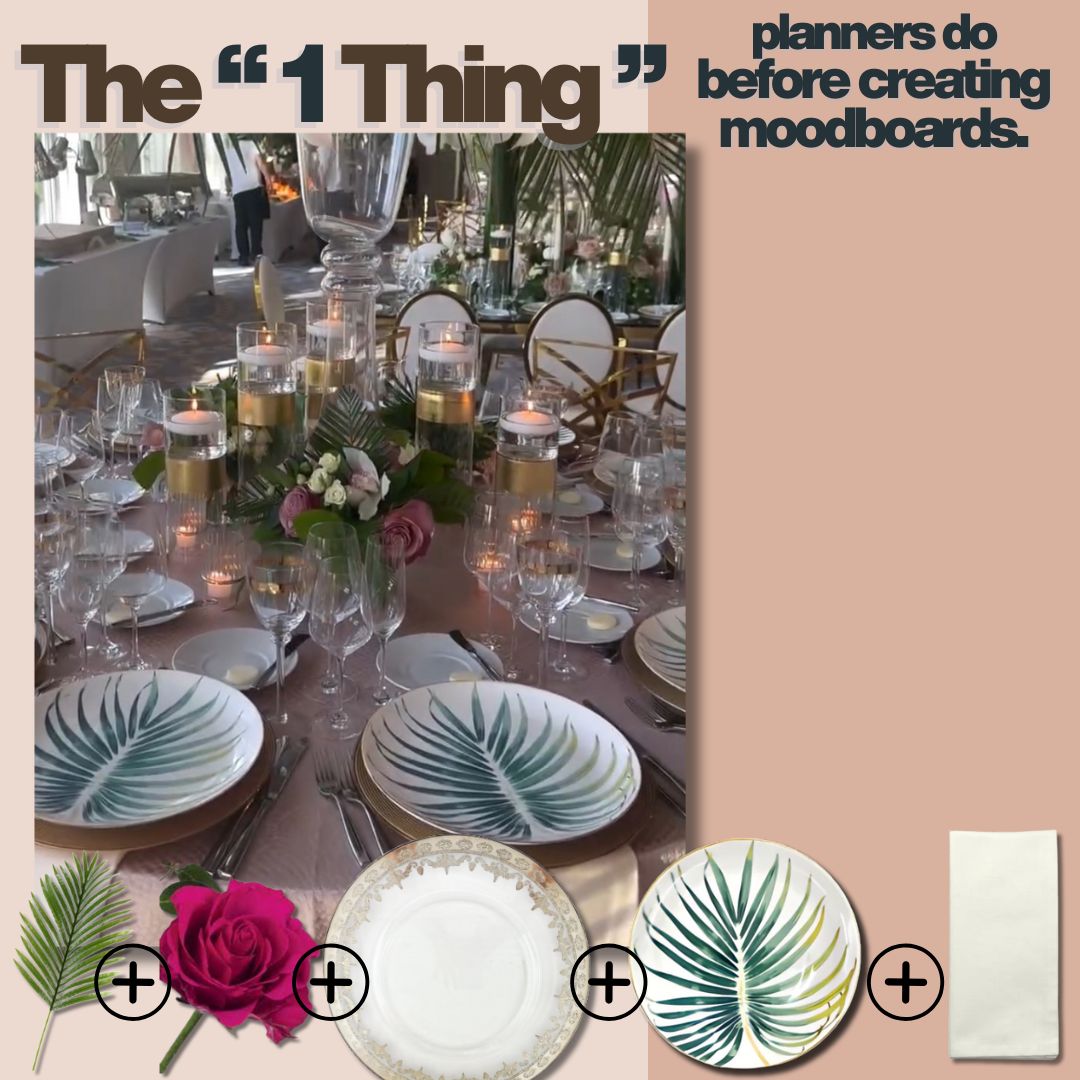
A memorable table setting is never an accident.
It’s the result of strategy, story, and a handful of creative magic—often sparked by one powerful tool: the moodboard.
At Design One Rentals, we’ve seen firsthand how planners use moodboards not just as a visual wishlist, but as a sophisticated roadmap that guides every sensory detail and turns a simple gathering into an experience guests talk about long after the last plate is cleared.
That 1 Thing IS the REAL Thing, They have actually been to all of the showrooms & warehouses that contain each item and tested and felt the weight of each item at your event. NOTHINg compares to the REAL THING. If your planner has not narrowed your choices based on what your vision is- then are they really your planner ?
What Is a Moodboard (And Why Does It Matter for Tabletop Design)?
A moodboard is essentially a creative collage—think curated Pinterest boards, only with a more intentional focus and a bigger purpose.
You might combine inspirational images, fabric swatches, color chips, short descriptive words, and even texture samples. Planners use them to organize visions, pitch event concepts, and align everyone from florists to furniture rental companies.
But here’s the secret:
Great planners don’t stop at “What looks good?” They build moodboards around
what will make guests feel something—using the full spectrum of senses.
Why Sensory Details Are the Key to Lasting Impressions
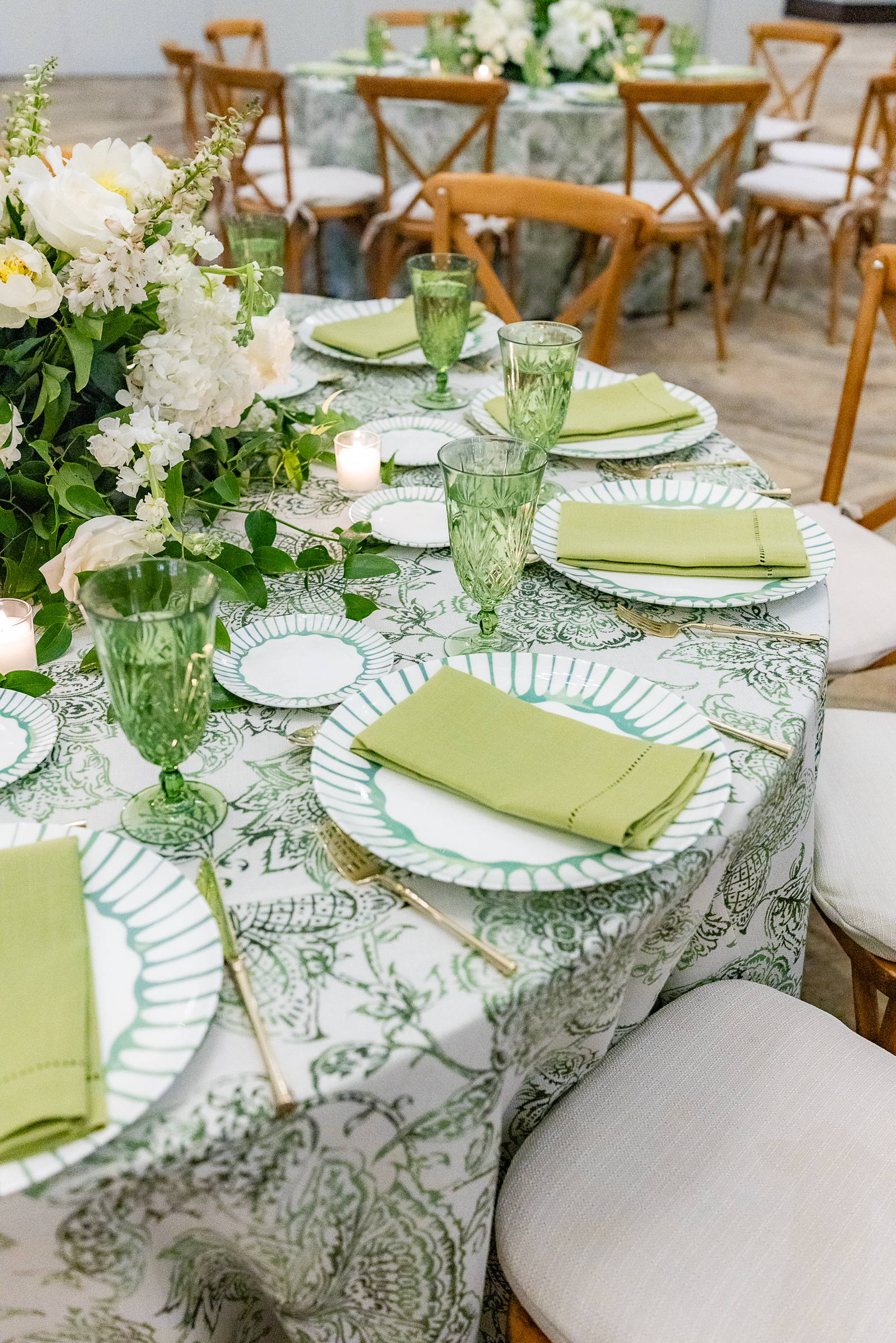
Let’s be real: Guests won’t leave raving about perfectly folded napkins alone.
What they remember is the sparkle of candlelight on glassware, the rich feel of velvet chair covers, the scent of fresh florals as they’re seated,
and the buzz of the right playlist setting the mood.
Scientific research confirms that multi-sensory experiences are more likely to build emotional connections and lasting memories.
Tabletop moodboards should capture that magic. Here’s how.

Building a Multi-Sensory Moodboard—Step by Step
Ready to step up your moodboard game?
Here’s how to move beyond static images and really set the vibe for your next table design.
1. Start With Visuals—But Look Deeper
Gather inspiration photos for your table: think linen textures, charger plates, centerpieces, glassware, and lighting. But don’t just zoom in on “pretty.” Look for images that communicate:
- Ambience: Is it romantic and moody, or crisp and modern?
- Color Palette: Identify a primary color, accent hues, and potential metallics for a layered look. (See how different palettes come alive in our Purple Perfection Tablescape post.)
- Scale and Symmetry: How do various elements (plates, candles, florals) balance and fill the space?
2. Layer in Touch
Texture is everything! Great planners make guests want to reach out and touch the table. When moodboarding, include:
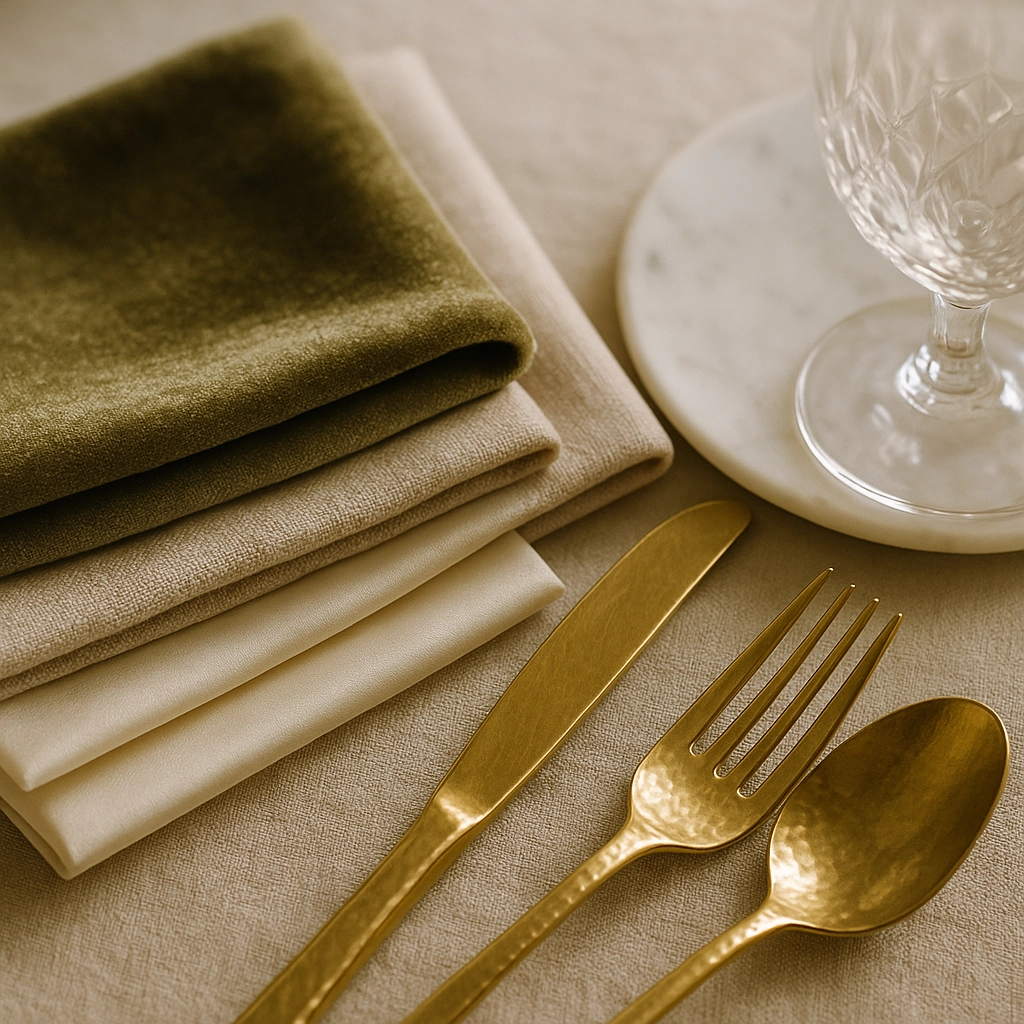
- Fabric Swatches: Velvet, linen, satin. Different textures influence mood—lush or minimal, warm or cool.
- Material Samples: Marble plates, acrylic chargers, hammered metal flatware.
- Tactile Details: Think about the feel of the chair backs, the weight of the cutlery, or the smoothness of glassware like our Mia Snifter Glass.
3. Don’t Forget Scent
Yes, you can visually reference a scent! Try:
- Floral & Greenery Photos: Which blooms or herbs are in season and suit your vision?
- Aromatherapy References: Maybe a note on “citrus & basil” for summer brunches or “eucalyptus & rosemary” for winter feasts.
- Candles or Diffusers: Picture placement on the tablescape. Will you go for subtle vanilla, dramatic woodsmoke, or fresh-cut flowers?
4. Consider Sound
Atmosphere isn’t silent. Curate a playlist vibe for your event. Think:
- Acoustic Style: Light jazz, classic strings, ambient house.
- Volume Zones: Are you planning for conversation-friendly background music, or does the room build to bold, lively dance sets post-dinner?
Pro tip: Add song titles or mood descriptions right onto your board to set expectations during planning.
5. Color—Psychology Meets Appetite
No, this isn’t just visual—it’s emotional! Colors can influence appetite and ambiance. Example:
- Warm Tones (terra cotta, gold, blush): Inviting and conversation-boosting.
- Cool Tones (blues, greens, silver): Elegant, calming, perfect for formal or outdoor events.
- Combine both for a dynamic table that doesn’t overwhelm one sense.
Check out Design One Rentals’ collection of charger plates for inspiration on color layering.
6. Storytelling Through Progression
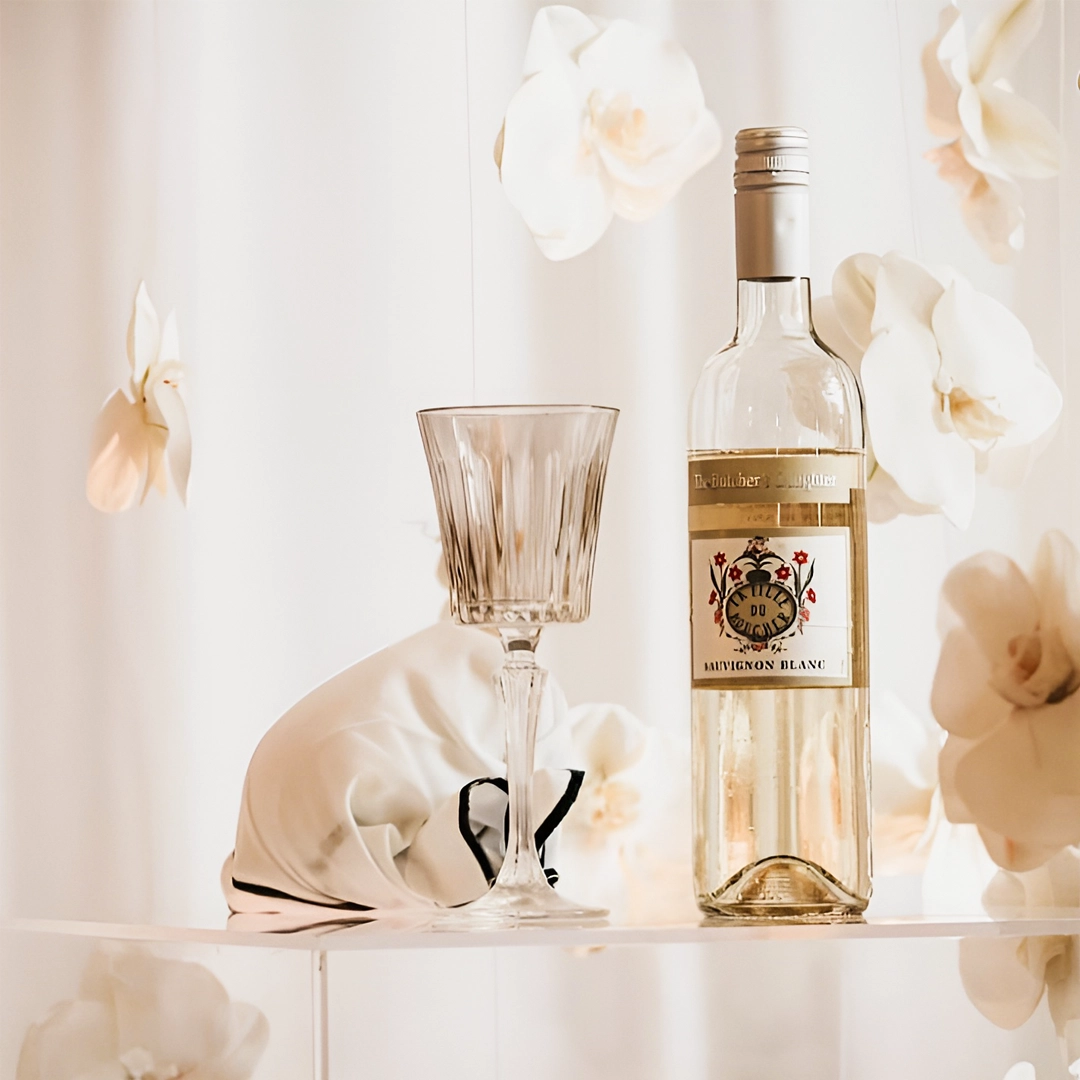
A skilled planner uses the moodboard to chart the entire journey:
- Cocktail Hour: Brighter, welcoming.
- Dinner: Dimmed lights and layered textures for intimacy.
- Dessert/Coffee: Playful, maybe even a scent change with different candles.
Visually break up your board, or use a timeline format to keep the experience moving for vendors and clients alike.
Bringing Sensory Moodboards to Life at Your Event
From Board to Table: Collaboration Is Key
Send your moodboard out early to your vendor team—rental companies, florists, venue managers. Together, you’ll brainstorm products and approaches to match the vision. At Design One Rentals, we love when clients come with detailed sensory moodboards. It lets us help select just the right pasta bowl, glassware, or even napkin fold for the vibe.
Examples From the Pros
One recent South Florida wedding blew us away: The planner’s moodboard included not only palette swatches, but a Spotify playlist, a sample of the wedding’s signature scent in a tiny spray bottle, and a video clip showing how candlelight played off mirrored chargers as waiters circled the room. The result? A celebration that was beautiful, cohesive, and utterly unforgettable—because every sense was considered.
Troubleshooting: Common Sticking Points
- Too Much, Too Fast: Overwhelming the board with images can cause confusion. Keep to the essentials that best tell your story.
- Ignoring Guest Comfort: Sure, fur napkin rings look cool—but are they practical for summer in Florida? Balance wow factor with guest experience.
- Forgetting the Flow: Remember, the mood changes during the event. Moodboards shouldn’t be static—they should evolve for each segment of your celebration.
Quick Tips for Dramatic Sensory Impact
- Use real samples whenever possible—let clients touch, feel, and (yes!) sniff.
- Keep communication open—share, revise, and allow for vendor input. Collaboration brings moodboards to life.
- Document decisions—note why each element is chosen, especially if it affects the overall sensory story. It helps when revisiting decisions later with your team or client.
Ready To Create Your Own?
At Design One Rentals, we’re here to help you move from vision board to real table magic. Explore our blog for more inspiration, or schedule a consultation to dive into our extensive tabletop collection. Whether you’re renting for an intimate dinner or the blowout bash of the season, let’s make every sensory detail count.
Curious how to elevate your next event with unforgettable sensory detail?
Reach out to the Design One Rentals team for an inspired collaboration.
Your guests will not just see— but feel, taste, touch, and remember—every moment at the table.
For more tabletop tips, check out:
Let’s make magic, one moodboard at a time.